

BRnX Travel

B.C. Court Upholds Short-Term Rental Rules: What It Means for Owners & Travelers

Original article: https://nanaimobulletin.com/2026/01/05/b-c-court-of-appeals-dismisses-challenge-to-short-term-rental-rules/

A Win for Housing Policy and Travel Trust


The British Columbia short-term rental rules made headlines again when the B.C. Court of Appeal dismissed a major legal challenge to the province’s restrictions on short-term rentals. The decision, handed down on December 30, 2025, confirms that provincial authorities can enforce the Short-Term Rental Accommodations Act (STRAA) without court interference at this stage.


At BRnX Travel, we believe it’s essential for both hosts and guests to understand how regulatory landscapes like this shape the global short-term rental market, especially as regulations continue to evolve across popular destinations worldwide.


Whether you’re a property owner looking for clarity or a traveler planning your next escape, here’s what you need to know.


What Happened in the B.C. Ruling?

The appeal was brought forward by a group of property owners and service providers, including the Westcoast Association for Property Rights and individual owner Angela Mason. They argued that the new regulations unfairly restricted their ability to rent properties and could result in financial losses or violations of property rights.


However, the court ruled that the case was premature. Since no specific enforcement action or penalty had yet been issued, there was no administrative decision for the courts to review. As a result, the appeal was dismissed.


This outcome leaves the British Columbia short-term rental rules fully in place and reinforces the government’s authority to regulate rentals as part of its housing strategy.


Why This Matters for Property Owners

Impact on Property Rights and Investment Decisions


For owners operating short-term rentals, particularly those relying on platforms like Airbnb, the ruling sends a clear message: regulatory frameworks can change, and property use is ultimately governed by public policy.


Many investors entered the market expecting flexibility and stable income. Today, that reality is shifting. Owners hoping this legal route would protect existing operations or offer compensation for lost revenue did not get the outcome they were seeking.


This moment highlights the broader impact of short-term rental laws on property owners, not just financially, but strategically. Investment decisions now need to account for regulatory risk as much as location and demand.


A Global Conversation, Not Just a Canadian One

British Columbia is not alone in tightening rental regulations. Cities and resort areas worldwide are rethinking how tourism fits alongside local housing needs.


Even in leisure-focused destinations such as Panorama, a growing touristic village known for its seasonal rentals and holiday homes, property owners are increasingly paying attention to regulatory signals. Whether in Canada, Costa Rica, Hawaii, or emerging destinations, the message is consistent: sustainable tourism requires structure.


This is where platforms like BRnX Travel play a key role, helping bridge the gap between compliant ownership and meaningful guest experiences.


What It Means for Travelers and the Tourism Industry

Strong Standards Build Traveler Confidence


For travelers, regulation often translates into reassurance. Knowing that listings meet legal and safety standards creates trust, especially when booking family holidays or long stays.


At BRnX Travel, we prioritize verified properties that go through documentation checks and accreditation processes. Our goal is simple: offer travelers peace of mind while helping owners stay aligned with local laws.


You can explore verified listings directly on our website: https://brnxtravel.com


Clear regulations combined with trusted platforms lead to better stays and stronger relationships between hosts and guests.


Beyond B.C.: The Bigger Picture


The B.C. short-term rental regulation decision reflects a growing global movement toward structured tourism. Governments are working to balance housing supply with visitor demand, and this inevitably reshapes the short-term rental market.


For property managers and owners, adapting early matters. For travelers, it means fewer surprises and more reliable accommodations.


At BRnX Travel, we actively monitor regulatory changes across our operating regions to help our community stay informed and prepared.


Practical Guidance for Hosts Navigating Change

If you’re a property owner feeling uncertain about evolving laws, here are a few grounded steps:


Stay informed about regulations in your area

Work with platforms that support compliance

Diversify your rental strategy where needed

Seek professional advice before expanding your portfolio


These steps can help minimize disruption while protecting long-term value.


Owner resources and accreditation details are available here: https://brnxtravel.com


Frequently Asked Questions


  1. What are the British Columbia short-term rental rules?

They primarily restrict short-term rentals to principal residences and secondary suites, limiting investment-only properties.


  1. Why was the legal challenge dismissed?

Because no enforcement action had taken place, making the case premature.


  1. Can property owners challenge the rules again?

Possibly, but only after enforcement or through a different legal approach.


  1. How does this affect travelers?

It improves consistency, safety, and trust across available rentals.


  1. What should hosts do now?

Focus on compliance, documentation, and long-term planning.


  1. Will availability decrease?

In some regions, yes. This can also influence pricing and demand.


  1. How does BRnX help owners?

We provide property accreditation, compliance guidance, and global visibility.


  1. Are similar rules appearing elsewhere?

Yes. The impact of short-term rental laws on property owners is being felt across many international destinations.


To sum up, The British Columbia short-term rental rules and the court’s decision represent a turning point for the industry. Regulation is becoming a permanent part of the travel ecosystem, and success now depends on adaptability, transparency, and trusted partnerships.


At BRnX Travel, we believe compliant rentals create stronger communities and better guest experiences.


If you’re ready to list your property or book your next getaway, join the BRnX Travel community today and experience a smarter way to travel and host.


Visit us at: https://brnxtravel.com to learn more about our verified properties.

Hawaii Vacation Rentals, What Travelers and Hosts Need to Know in 2026

Original Article: https://www.minut.com/blog/hawaii-short-term-rental-laws

Hawaii vacation rentals continue to be one of the most sought-after accommodation options for travellers who want space, privacy and a more local experience. At the same time, they are also some of the most regulated short-term stays in the world. For both travellers and property managers, understanding how short-term rental management in Hawaii works today is no longer optional, it’s essential.


Hawaii has taken a firm stance on how short-term rentals operate, where they are allowed and who can legally host. These rules are designed to protect communities, preserve housing availability for residents and ensure visitors stay in safe, compliant properties. The result is a market where verified vacation rentals in Hawaii matter more than ever, and where hosts must operate with clarity, transparency and structure.


This guide breaks down what’s really happening across the islands, what the current Hawaii short-term rental regulations mean in practice and how BRnX helps bridge the gap between compliance and quality travel experiences.


Why Hawaii Vacation Rentals Are Different


Unlike many destinations where short-term rentals grew faster than regulation, Hawaii has moved deliberately to control the market. High demand, limited housing supply and strong community voices have pushed lawmakers to introduce stricter zoning, licensing and enforcement rules.


For travellers, this means not every listing you see online is legal. For hosts, it means short-term rental management in Hawaii requires more than just listing a property and handing over keys. Compliance, registration and local presence all play a role.


This is where verified vacation rentals in Hawaii stand out. These are properties that meet local requirements, hold valid permits and are aligned with county and state laws. Booking verified rentals reduces the risk of cancellations, disputes and last-minute disruptions, something travellers increasingly prioritize.


Understanding Short-Term Rental Management in Hawaii


What Counts as a Short-Term Rental?

In Hawaii, a short-term rental generally refers to stays of fewer than 30 consecutive days. While this sounds straightforward, each county interprets and enforces this definition differently. Some areas impose minimum stay requirements of 60 or even 90 days, unless a property is located in a resort-zoned area or has grandfathered rights.


Short-term rental management in Hawaii also includes tax compliance. Hosts must register for and collect the Transient Accommodations Tax and the General Excise Tax. These registration numbers must be displayed clearly on listings, advertisements and booking platforms.


Failure to comply can lead to fines, removal of listings and, in some cases, legal action. That’s why professional oversight and proper verification are so important.


Hawaii Short-Term Rental Regulations by Island


Oʻahu, Honolulu County

Oʻahu has some of the strictest enforcement on the islands. Outside of designated resort areas such as Waikīkī, Ko Olina and Turtle Bay, most residential zones prohibit rentals under 90 days. Only properties that were legally operating before certain cut-off dates may continue under nonconforming use certificates.


For property owners, this has shifted focus toward resort-zoned properties and professionally managed listings. For travellers, it reinforces the value of booking verified vacation rentals in Hawaii that are legally permitted to operate.


Maui County

Maui has taken steps to reduce the number of short-term rentals in apartment-zoned areas, aiming to return housing stock to long-term residents. Permits in these zones are being phased out over time, while resort areas remain eligible for short stays.


Maui also requires a locally available contact person for each short-term rental, someone who can respond quickly to issues such as noise complaints or emergencies. This requirement is a key part of short-term rental management in Hawaii and reflects the emphasis on community accountability.


Hawaiʻi Island, Big Island

The Big Island allows short-term rentals in resort, hotel and some commercial zones, while restricting them in agricultural and residential areas unless permitted or grandfathered. Registration, renewal and inspection requirements apply, and enforcement has increased in recent years.


Kauaʻi

Kauaʻi concentrates short-term rentals in designated visitor destination areas. All permitted rentals must display registration numbers and maintain a 24-hour local contact. Enforcement is active, particularly in residential neighbourhoods.


Across all islands, Hawaii short-term rental regulations are evolving, and staying informed is part of responsible hosting.


Why Verified Vacation Rentals in Hawaii Matter


From a traveller’s perspective, booking a verified rental isn’t just about legality, it’s about peace of mind. Verified properties are less likely to face sudden shutdowns, neighbour disputes or last-minute cancellations due to enforcement actions.


From a management perspective, verification signals professionalism. It shows that the property meets local standards, follows zoning rules and aligns with Hawaii short-term rental regulations. This is where platforms like BRnX play a key role by prioritising accredited and compliant listings.


If you’re exploring Hawaii vacation rentals, verification is one of the clearest indicators of a smooth, reliable stay.


What Guests Should Know Before Booking in Hawaii


Not all listings are created equal. Guests should look for clear permit numbers, transparent house rules and accurate property descriptions. These details are often missing from non-compliant listings.


When booking through BRnX, travellers gain access to verified vacation rentals in Hawaii that have been reviewed for compliance and quality. This reduces uncertainty and ensures the property aligns with local laws and community standards.


It also supports hosts who are investing in proper short-term rental management in Hawaii, rather than cutting corners.


Internal Resources for Travelers and Hosts


If you’re planning a stay or managing property in Hawaii, these resources may help:


Explore verified vacation rentals on BRnX

https://brnxtravel.com/verified-vacation-rentals


Learn more about property accreditation and compliance

https://brnxtravel.com/property-accreditation


Discover BRnX support for property managers and hosts

https://brnxtravel.com/property-managers


Whether you’re travelling to the islands or managing a property, choosing the right platform makes all the difference. Browse BRnX’s curated selection of Hawaii vacation rentals and book with confidence, knowing every listing meets quality and compliance standards.


If you’re a host or property manager, BRnX helps simplify short-term rental management in Hawaii, connecting you with travellers who value trust, transparency and verified stays.


FAQs About Hawaii Vacation Rentals


  1. Are short-term rentals legal in Hawaii?

Yes, but only under specific conditions. Legality depends on zoning, county rules and whether the property has the required permits or grandfathered status under Hawaii short-term rental regulations.


  1. What is considered a verified vacation rental in Hawaii?

A verified vacation rental is a property that complies with local laws, holds valid permits and tax registrations, and operates within approved zoning areas.


  1. Can I rent my Hawaii home for less than 30 days?

In many residential zones, no. Some counties require minimum stays of 60 or 90 days unless the property is in a resort area or has special approval.


  1. Why do Hawaii short-term rental regulations vary by island?

Hawaii allows counties to set their own zoning and enforcement policies, reflecting local housing needs, tourism levels and community concerns.


  1. How do Hawaii vacation rentals affect local communities?

Regulations aim to balance tourism with housing availability for residents, reducing pressure on long-term rental supply and neighbourhood infrastructure.


  1. What taxes apply to short-term rentals in Hawaii?

Most rentals must collect and remit the Transient Accommodations Tax and the General Excise Tax, and registration numbers must be displayed publicly.


  1. How does BRnX support compliant short-term rental management in Hawaii?

BRnX prioritises accredited properties, promotes verified listings and supports hosts in maintaining compliance and operational standards.


  1. Is booking a verified rental safer for travelers?

Yes. Verified vacation rentals in Hawaii are less likely to face enforcement actions or cancellations, offering a more stable and predictable travel experience.


Start exploring at https://brnxtravel.com

Canmore Vacation Rentals: What Hosts and Guests Need to Know

Original Article: https://www.canadianrealestatemagazine.ca/news/tourist-homes-taxes-incentives-canmore-2025/

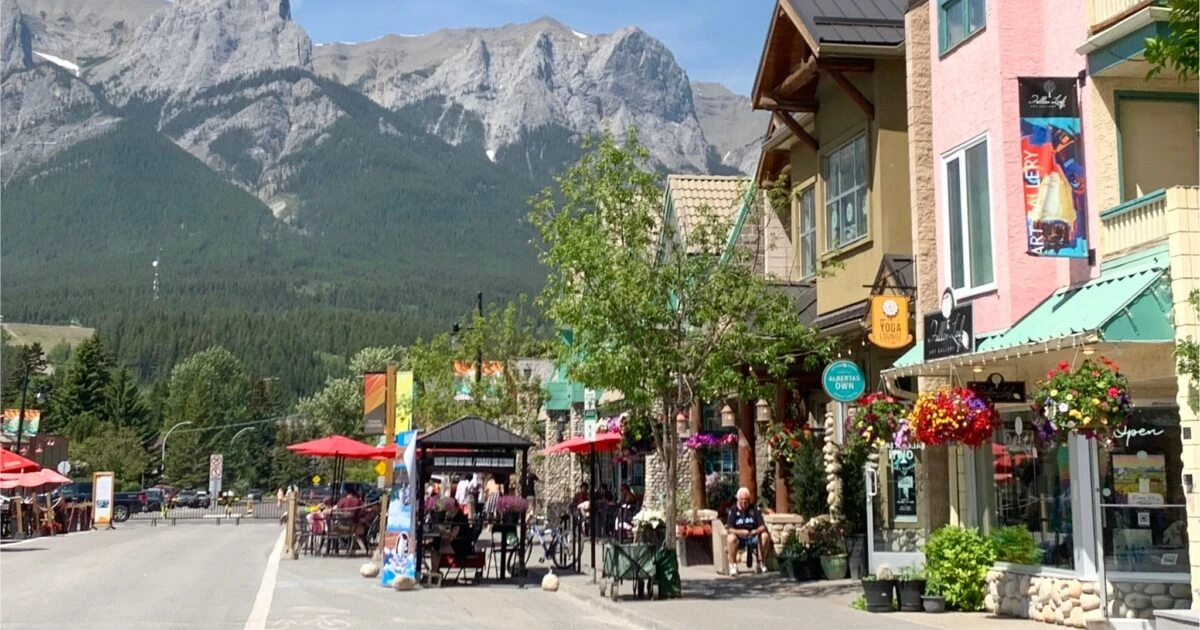
Canmore continues to be one of Canada’s most popular mountain destinations, attracting travellers seeking outdoor adventure, scenic landscapes and a relaxed getaway. Alongside traditional hotels, Canmore vacation rentals are increasingly popular, offering more space, privacy and flexibility. But with rising demand and a tighter housing market, the town has updated its rules to balance tourism, housing availability and community priorities.

For both property owners and visitors, understanding short-term rental management in Canmore is essential. Following the new regulations ensures a safe, compliant, and enjoyable experience, whether you’re renting out your home or booking a stay.

Why Canmore’s Vacation Rental Market Is Changing

Canmore has seen significant growth in tourist homes and short-term rentals over the past decade. While these rentals support the local economy and provide visitors with unique accommodation options, they have also increased pressure on housing availability for permanent residents.

In 2025, the municipality introduced changes designed to:

  • Limit the creation of new tourist homes
  • Encourage long-term rental occupancy
  • Adjust property taxes for vacation rental owners
  • Provide incentives for purpose-built rental developments

These shifts affect Canmore vacation rentals, the operations of hosts, and the decisions travellers make when booking. (canadianrealestatemagazine.ca)

Higher Taxes and Stricter Rules for Short-Term Rentals

Under the new policies:

  • All tourist homes are taxed at the non-residential rate, which is approximately three times higher than the standard residential rate.
  • Personal-use exemptions for owner-occupied properties are removed.
  • Each unit must hold a valid business licence, displayed on listings and marketing materials.

For property owners, these changes mean that short-term rental management in Canmore now requires careful planning to remain profitable. Owners must factor in higher taxes, licensing fees, and ongoing compliance costs.

Understanding Canmore Short-Term Rental Regulations

The town’s new regulations emphasize transparency, safety, and community integration. Key points include:

  • New tourist homes are no longer being approved in most residential areas. Existing approved homes can continue under “grandfathered” status.
  • Owners must display a business licence number on all listings and ensure all marketing complies with the rules.
  • Noise, occupancy, and emergency response requirements are strictly enforced to protect both residents and visitors.

Following these Canmore short-term rental regulations not only avoids fines and enforcement action but also helps maintain a positive reputation with guests.


Implications for Hosts and Property Managers

Compliance Is Essential

Owners and property managers who want to succeed in Canmore must be proactive. Short-term rental management in Canmore now requires:

  • Ensuring properties are in approved zones
  • Holding proper permits and business licences
  • Maintaining accurate records for taxes and guest stays
  • Following all safety and community guidelines

Platforms that prioritise verified vacation rentals in Canmore, like BRnX, make it easier for hosts to operate within the rules while providing a smooth experience for guests.

Financial Planning

With higher taxation and tighter licensing rules, hosts must incorporate these costs into nightly rates or consider converting properties to long-term rentals if short-term profitability is no longer viable. At the same time, purpose-built long-term rental incentives provide an alternative strategy for owners seeking stable returns.

What Travelers Should Know About Canmore Vacation Rentals

For guests, these changes mean fewer new listings may be available over time, but verified vacation rentals in Canmore are likely to be safer, legal, and professionally managed. Booking through reputable platforms like BRnX ensures:

  • Compliance with Canmore short-term rental regulations
  • Accurate listings and pricing
  • Reliable check-in and guest support

This gives travellers peace of mind and improves the overall guest experience.


Whether you’re booking a stay or managing a property, understanding the rules and market trends in Canmore is critical. Browse BRnX to discover verified vacation rentals in Canmore, and ensure your next getaway or hosting experience is legal, safe, and hassle-free.


FAQs

  1. What taxes apply to Canmore vacation rentals?

All tourist homes are taxed at the non-residential rate, which is roughly three times higher than the standard residential tax rate. Personal-use exemptions no longer apply.

  1. Can I create a new tourist home in Canmore?

In most residential areas, no. New tourist homes are generally not approved under the updated land-use policies. Only existing properties may continue under grandfathered status.

  1. What are verified vacation rentals in Canmore?

These are properties that meet all local zoning, licensing, and safety requirements. Platforms like BRnX curate and confirm these rentals to ensure compliance.

  1. How does short-term rental management in Canmore work?

It involves obtaining proper permits, maintaining compliance with taxes and local rules, managing guest relations, and ensuring property safety and readiness.

  1. Are there incentives for long-term rental investments?

Yes. Canmore offers tax incentives for purpose-built rental developments where at least 95% of units are rented to primary residents.

  1. How do these regulations impact profitability for hosts?

Higher taxes and stricter licensing requirements increase costs, which must be factored into pricing. Some owners may consider long-term rentals as an alternative.

  1. What should guests look for when booking?

Guests should verify that properties have business licences, follow all regulations, and are listed as verified vacation rentals in Canmore.

  1. Does BRnX help hosts with compliance?

Yes. BRnX provides resources, verified listings, and support for short-term rental management in Canmore, helping hosts navigate the rules and operate legally.


Start exploring Canmore rentals today: https://brnxtravel.com

Save your favourites, leave reviews and list your property. Get access to specials and so much more when you sign up.

Sign Up

By signing up you can save your favourites, leave reviews and list your property. Get access to specials and so much more.