Why Trust Matters More Than Ever in Short-Term Stays
Edmonton rental scam case highlights a growing trust crisis in short-term rentals

Community » Our Markets » BC
Why it matters to you?The Short term rental Space in Panorama British Columbia is becoming more popular to list on Airbnb and VRBO. There is a catch though, with the various regulations and restrictions coming up to apply in that area, it can be hard to manage. These rules governing short term rentals can be found all in the local zoning codes, planning codes, ordinances, and real estate forums. If you want to stream line the process lets guide you through it.
Panorama is a highly sot after Mountain resort area in British Columbia. This is specifically interesting because the province’s new principal residence requirement that limits short-term rentals to primary residence does not apply here.
There is current zoning regulations that do not include a specific zone for short-term rentals for single-family, or secondary suites. Temporary Use permits can be used on a case by case basis where you’re listing.
In the areas around the District of east kootenay board (RDEK) there is an impact on neighboring properties, providing enough parking, and sewage. With the increase of use, and compliance with the OCP.
When you get the TUP conditions, you have to have operating hours, max number of guests, and a mandatory local contact 24/7.
To house s short-term retnal in Panorama, you must obtain a Temporary Use Permit (TUP) from Regional district of East Kootenay (RDEK). The RDEK’s Short-term Rental TUP policy outlines the following requirements with the application process:
Must haves:
Step 1: Contact RDEK
Phone: 250-489-2791 or toll-free 1-888-478-7335
Email: Here
Website: Here
Step 2: Submit a complete TUP application Package:
Step 3: Pay fees:
Step 4: Submit and review (subject to additional info or inspections on sight)
Step 5: Permit will be issued within 4–6 weeks, if you hit all the requirements.
Step 6: For Board-approved TUPs, the application is considered at a future Board meeting, which can take up to 2–3 months. Public notice will be given and area residents can provide input.
Step 7: If approved, the TUP will be issued with property-specific conditions and expiry date (max. 3 years). You the owner must adhere to the TUP conditions, and renew the permit before expiry to continue operating your STR.
To operate a short-term rental without a TUP is a bylaw offense subjected to fines and legal action. RDEK’s Bylaw enforcement staff investigate complains regularly, and notices will start at $500 per offense. Continued on compliance can result in court proceedings and fines up to $10,00 per offense.
When opporating a short term rental, you need to be aware of BC building Code, fire safety requitements, healt and safety standards, and tax obligations. Owners should ensure to be aware of compliance and relevant laws before operating a short-term rental.
Expenses are only deducted if they are directly in purpose of earning rental income. If the property is personally used for part of the year, the short term rental will be prorated because of it. If you are looking to find the list of deductions for your short term rental click here.
Short-term rentals in Panorama aren’t governed by a single rulebook. Hosts need to work through provincial registration, Regional District of East Kootenay (RDEK) land-use approvals, strata or resort rules, tax obligations, safety expectations, insurance, and platform listing standards before accepting a single guest.
At the provincial level, short-term rental hosts operating in B.C. must register with the Short-Term Rental Registry and renew every year. Each unit generally needs its own registration, even if it appears on more than one booking platform, and the registration number should be displayed on your listings where required.
Panorama sits within a mountain resort area, and land in designated resort areas may be exempt from the provincial principal-residence requirement. That exemption depends on your exact property location, so confirm your address against the current provincial map and regulation, and check again before each renewal period.
On top of provincial rules, you’ll need to check RDEK requirements, strata bylaws, resort agreements, rental pool rules, and any mortgage or lease restrictions. We recommend keeping everything in one compliance folder: registrations, permits, approvals, renewal dates, inspections, and correspondence.
Hosting paying guests is different from owning a home or renting long term. A standard homeowner policy may not cover short-term rental or commercial accommodation activity, and the gaps often only show up when a claim is made.
Before your first guest arrives, tell your insurer that the property will be used for paid short-term accommodation. Then ask whether your policy covers:
Platform host protection shouldn’t be treated as your main coverage. It is often secondary and may exclude certain claims, so confirm exactly what it does and doesn’t cover.
Keep written confirmation of your coverage, deductibles, exclusions, and any operating conditions, such as maximum occupancy or required inspections.
Insurance is one layer of a larger compliance picture, and it needs to line up with everything else. Your provincial registration, RDEK permit conditions, strata or resort rules, and lender or lease terms can all affect what coverage you need and what you’re allowed to offer guests.
Your listing rules should match your insurance conditions. If your policy sets limits, your listing should reflect them, including:
If your insurer, your permit, and your listing all say different things, that inconsistency becomes a risk. Keep your policy declaration, short-term rental endorsement, liability limits, and claim contact details in your compliance folder alongside your permits and registration records.

Edmonton rental scam case highlights a growing trust crisis in short-term rentals

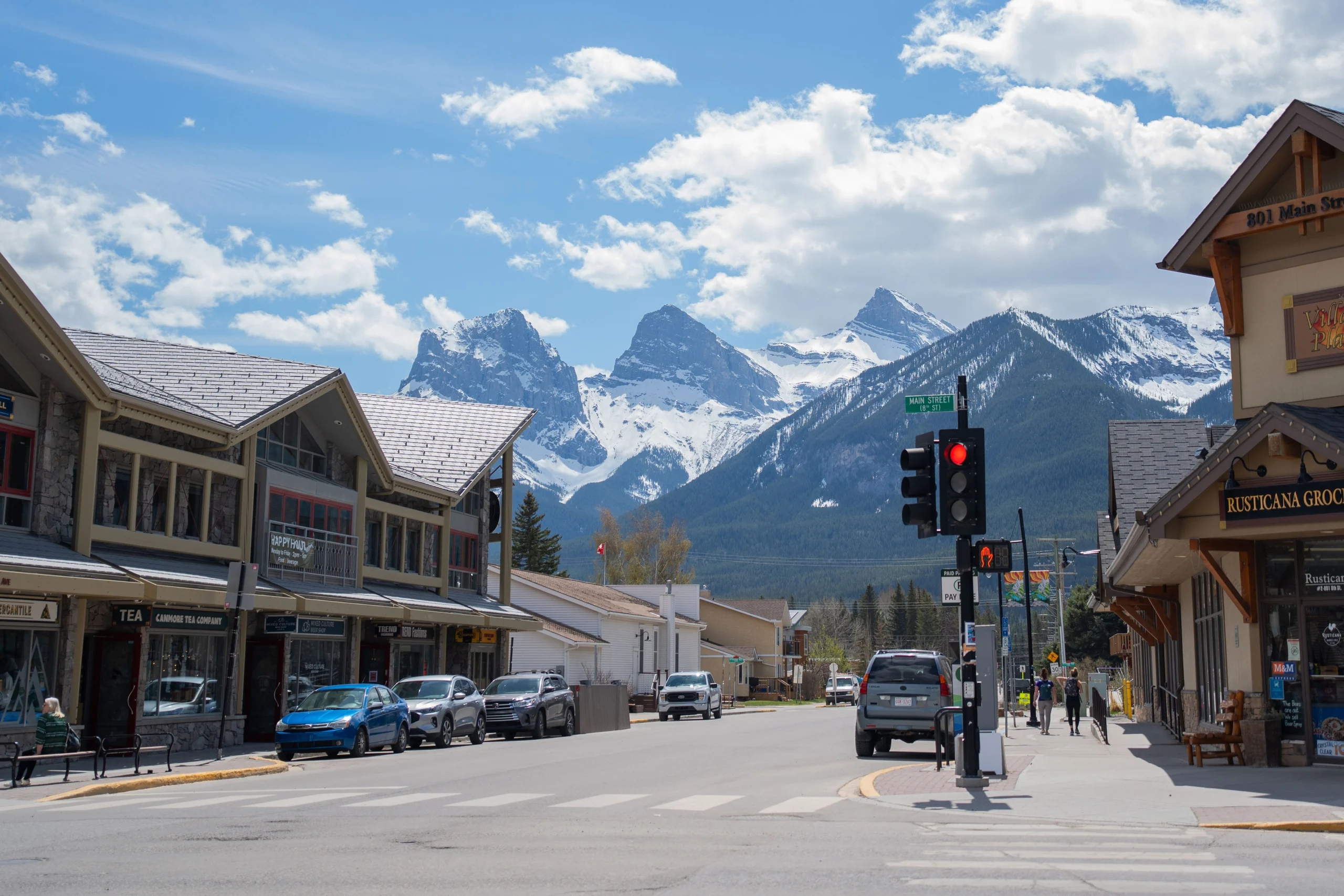
The Canmore Housing Crisis Isn’t Standing Still
The Canmore Housing Crisis Feels Bigger Than Housing
Understanding Alberta Airbnb Rules and How They Shape Modern Short-Term Rentals

Navigating Short-Term Rental Regulations in Alberta for Smarter Travel Business Growth
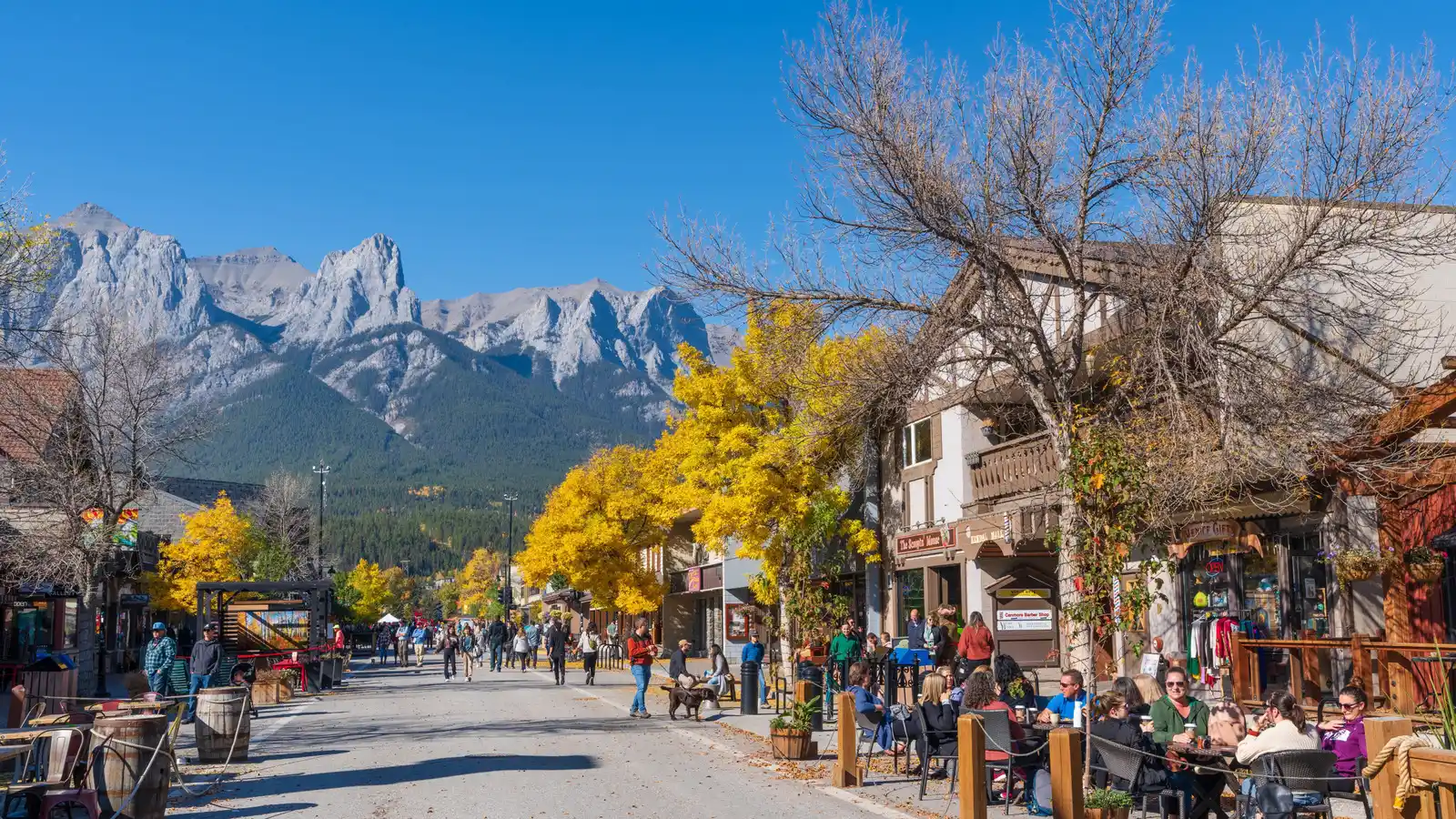
If you’ve been following the evolution of the Canmore vacancy tax, this latest development is a big one, not just for homeowners, but for travellers, investors, and anyone considering spending extended time in the Canadian Rockies.
By signing up you can save your favourites, leave reviews and list your property. Get access to specials and so much more.
Save your favourites, leave reviews and list your property. Get access to specials and so much more when you sign up.