


BRnX Travel

Airbnb Property Management in Sri Lanka: Building Profitable Island Stays in 2026

Original Article: https://villamanagementsrilanka.com/unlocking-the-paradise-charm-a-complete-guide-to-airbnb-property-management-in-sri-lanka/?utm_source=chatgpt.com

Complete Guide to Airbnb Property Management in Sri Lanka for High-Performing Rentals

If you are serious about building a profitable travel asset in Asia, understanding Airbnb property management in Sri Lanka is one of the strongest entry points into the short-term rental market.

At BRnX Travel, we see Sri Lanka as a high-potential destination where tourism demand, natural beauty, and digital booking platforms intersect. But success in Airbnb property management in Sri Lanka is not just about listing a villa, it is about structured management, compliance, guest experience, and long-term operational thinking.

This guide breaks down how property owners can unlock value while staying aligned with legal, operational, and market expectations.

Why Airbnb Property Management in Sri Lanka Is Growing Fast

The rise of Airbnb property management in Sri Lanka is driven by a combination of tourism growth and digital booking behavior.

Sri Lanka’s appeal comes from:

  • Beaches, cultural heritage, and nature experiences
  • Growing international tourism demand
  • Increasing preference for private villas over hotels
  • Strong appeal for eco tourism and experiential travel

For travel companies like BRnX Travel, this shift represents a growing supply of independent stays that must be professionally managed to meet global expectations.

Understanding the Market Behind Airbnb Property Management in Sri Lanka

To succeed in Airbnb property management in Sri Lanka, you need to understand how the market behaves.

Key Demand Drivers

The Sri Lankan short-term rental market is shaped by:

  • Beach destinations like Mirissa, Galle, and Bentota
  • Cultural tourism in Kandy and Colombo
  • Wellness and eco travel experiences
  • Increasing demand from digital nomads and long-stay travelers

This diversity means Airbnb property management in Sri Lanka requires tailored strategies depending on location and guest type.

Guest Expectations in the Market

Modern travelers booking through Airbnb expect:

  • Clean, well maintained spaces
  • Reliable WiFi and essential amenities
  • Local cultural experience elements
  • Smooth check-in and communication
  • High quality listing presentation

At BRnX Travel, we emphasize that guest experience is not optional, it is the foundation of sustainable Airbnb property management in Sri Lanka.

Legal Framework of Airbnb Property Management in Sri Lanka

One of the most important aspects of Airbnb property management in Sri Lanka is regulatory compliance.

Registration Requirements

Property owners are generally required to register with the Sri Lanka Tourism Development Authority (SLTDA). This ensures properties meet basic tourism standards.

Key compliance areas include:

  • Property registration for tourist accommodation
  • Safety standards such as fire and emergency readiness
  • Cleanliness and maintenance requirements
  • Adherence to national tourism regulations

Ignoring these requirements can impact long-term sustainability in Airbnb property management in Sri Lanka.

Tax and Operational Compliance

Income from short-term rentals is subject to local tax obligations, meaning owners must maintain proper financial records.

For BRnX Travel, this highlights the importance of structured financial systems when scaling Airbnb property management in Sri Lanka portfolios.

Setting Up a Successful Airbnb Property in Sri Lanka

Execution is where most owners either succeed or fail in Airbnb property management in Sri Lanka.

Property Readiness and Setup

To perform well in the market, properties must be:

  • Clean and consistently maintained
  • Fully functional with utilities and amenities
  • Furnished in a way that reflects comfort and local charm
  • Equipped with essentials like WiFi, AC, and kitchen facilities

A strong setup directly impacts occupancy rates in Airbnb property management in Sri Lanka.

Listing Strategy and Presentation

A strong listing includes:

  • High quality photography
  • Clear and honest descriptions
  • Highlighting location advantages
  • Emphasizing unique guest experiences

In competitive areas, listing quality often determines success in Airbnb property management in Sri Lanka more than pricing alone.

Pricing Strategy in Airbnb Property Management in Sri Lanka

Pricing is one of the most sensitive parts of Airbnb property management in Sri Lanka.

Key considerations include:

  • Seasonality and tourism peaks
  • Location strength
  • Property type and amenities
  • Competitor pricing
  • Length of stay discounts

Dynamic pricing strategies help maximize occupancy while maintaining profitability.

For BRnX Travel, pricing intelligence is a key lever in scaling travel inventory across multiple markets.

Guest Experience as the Core of Airbnb Property Management in Sri Lanka

Guest experience defines success in Airbnb property management in Sri Lanka.

What Creates High Ratings

Top performing properties focus on:

  • Fast and clear communication
  • Smooth check-in processes
  • Cleanliness and maintenance consistency
  • Local recommendations and cultural value
  • Responsive issue handling

These factors directly influence reviews and long-term performance.

Adding Local Experience Value

One of the strongest differentiators in Airbnb property management in Sri Lanka is offering local experiences such as:

  • Cultural food experiences
  • Local tours and nature activities
  • Personalized guest guides
  • Authentic Sri Lankan hospitality elements

This creates emotional value beyond accommodation.

Property Management Services and Scaling Operations

Many owners in Airbnb property management in Sri Lanka struggle with operational complexity.

Why Property Managers Matter

Professional management typically handles:

  • Guest communication
  • Cleaning and maintenance coordination
  • Booking optimization
  • Pricing adjustments
  • Issue resolution

At BRnX Travel, we recognize that scalable travel businesses rely heavily on structured management systems rather than manual operations.

Challenges in Airbnb Property Management in Sri Lanka

While opportunities are strong, Airbnb property management in Sri Lanka also comes with challenges:

  • Regulatory compliance complexity
  • Seasonal demand fluctuations
  • Maintenance consistency
  • Guest expectation management
  • Distance management for overseas owners

These challenges make professional systems and partners increasingly important.

Future of Airbnb Property Management in Sri Lanka

The future of Airbnb property management in Sri Lanka is moving toward:

  • Higher regulatory enforcement
  • Increased digital booking dependence
  • Stronger guest experience expectations
  • Growth in villa and boutique stays
  • Professionalization of property management services

For BRnX Travel, this aligns with a global shift toward structured, experience-driven travel ecosystems.

Success in Airbnb property management in Sri Lanka is built on more than property ownership. It is a combination of compliance, guest experience, pricing strategy, and operational consistency.

Sri Lanka remains one of the most attractive tourism markets in the region, but only well managed properties will fully unlock its potential.

At BRnX Travel, we believe the future of travel belongs to structured, scalable, and experience-led property management systems.

Build Smarter Airbnb Operations with BRnX Travel

If you are a property owner or investor looking to scale in Sri Lanka or other global destinations, BRnX Travel can help you structure your Airbnb property management in Sri Lanka strategy for better occupancy, compliance, and long-term growth.

Let’s turn your property into a high-performing travel asset.

FAQs: Airbnb Property Management in Sri Lanka

1. What is Airbnb property management in Sri Lanka?

It refers to managing short-term rental properties listed on Airbnb within Sri Lanka, including operations, pricing, and guest handling.

2. Is Airbnb legal in Sri Lanka?

Yes, but properties must comply with tourism authority regulations and local laws.

3. Do I need to register my property?

Yes, registration with tourism authorities is typically required for compliance.

4. What makes Airbnb property management in Sri Lanka profitable?

High tourism demand, strong seasonal occupancy, and unique villa experiences.

5. What are the biggest challenges in Sri Lanka’s Airbnb market?

Regulation, maintenance, and inconsistent guest management.

6. Do I need a property manager?

Not required, but highly recommended for scaling and operational efficiency.

7. What guests expect from Airbnb stays in Sri Lanka?

Clean properties, WiFi, local experiences, and responsive communication.

8. How can I increase bookings in Sri Lanka?

Improve listing quality, optimize pricing, and enhance guest experience.

#AirbnbSriLanka #PropertyManagement #ShortTermRentals #TravelBusiness #BRnXTravel #HospitalityManagement #VacationRentals #SriLankaTourism #AirbnbHosting #TravelIndustry
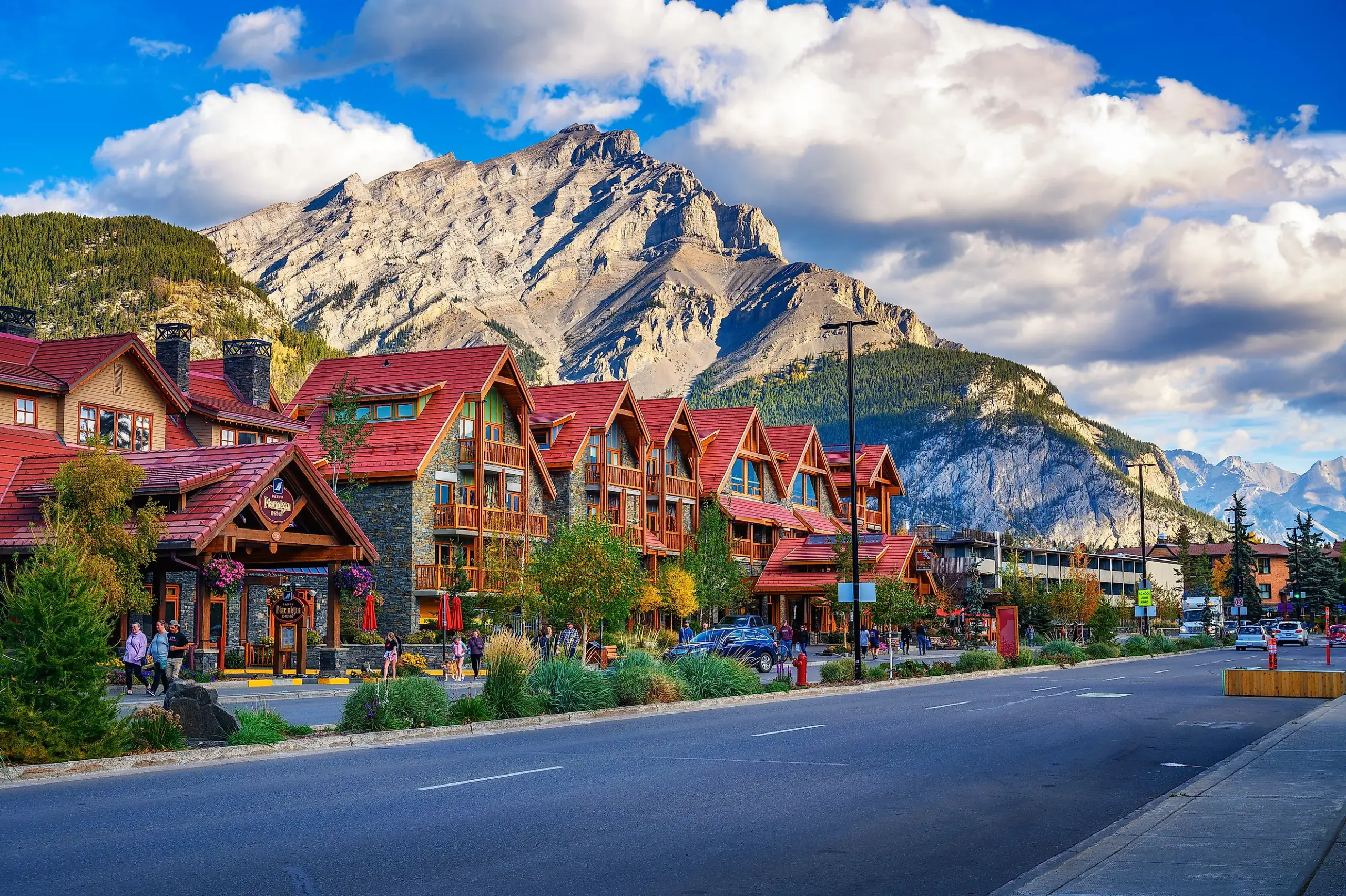

Alberta Airbnb Rules in 2026: A Complete Guide to Short-Term Rental Compliance and Growth

Original Article: https://www.lodgify.com/guides/alberta-airbnb-rules/?utm_source=chatgpt.com

Understanding Alberta Airbnb Rules and How They Shape Modern Short-Term Rentals

If you are building a presence in the travel and hospitality space, understanding Alberta Airbnb rules is not just a legal requirement, it is a business advantage.

At BRnX Travel, we see this clearly across markets, regulations define how inventory behaves, how reliable listings are, and ultimately how guests experience a destination. Whether you are a host, property manager, or travel partner, Alberta Airbnb rules directly affect how you operate, scale, and maintain compliance.

This guide breaks down the essential regulatory framework for short-term rentals in Alberta, including licensing, taxation, and municipal requirements.

What Alberta Airbnb Rules Actually Cover

At a high level, Alberta Airbnb rules are built on three main pillars:

  1. Provincial tax obligations
  2. Municipal licensing requirements
  3. Local zoning and operational bylaws

Together, these shape how short-term rentals function across the province. Alberta allows short-term rentals, but each municipality sets its own rules, which means compliance is never one-size-fits-all.

For companies like BRnX Travel, this structure is important because it impacts listing availability, pricing consistency, and operational risk across cities.

Provincial Framework Behind Alberta Airbnb Rules

Short-Term Rental Legality in Alberta

Short-term rentals are legal in Alberta, but they are treated as business activities in most municipalities. This means hosts must follow city-level requirements before listing a property.

Across the province, Alberta Airbnb rules consistently emphasize compliance with licensing and taxation, even if the exact requirements vary by city.

The 4% Tourism Levy

A key part of Alberta Airbnb rules is the provincial tourism levy.

  • A 4% levy applies to most short-term stays under 30 days
  • It is collected on accommodation income
  • Platforms often collect and remit it automatically, but direct bookings require host management

This tax is part of Alberta’s broader tourism funding model and applies across most short-term rental activity in the province.

For travel platforms like BRnX Travel, this reinforces the importance of transparent pricing and automated compliance systems.

Municipal Alberta Airbnb Rules in Major Cities

While the province sets taxation rules, cities define operational control. This is where Alberta Airbnb rules become more detailed and localized.

Edmonton Short-Term Rental Requirements

In Edmonton, Alberta Airbnb rules require:

  • A valid business license for all short-term rentals
  • Separation between primary residence and secondary property rules
  • Licensing details displayed on all listings
  • Compliance with safety standards, including smoke and carbon monoxide detectors

Edmonton also enforces structured licensing fees depending on the number of properties operated.

For BRnX Travel, this type of regulation impacts how multi-property portfolios are managed and listed across platforms.

Calgary Short-Term Rental Requirements

Calgary has a tiered system under its version of Alberta Airbnb rules, including:

  • Mandatory business licensing for all hosts
  • Classification between primary residence and non-primary residence rentals
  • Proof of ownership or permission from property owners
  • Emergency contact availability for guests
  • Display of license numbers in all advertisements

These requirements ensure accountability and safety across the city’s growing short-term rental market.

Licensing and Compliance Under Alberta Airbnb Rules

One of the most important elements of Alberta Airbnb rules is licensing.

Across Alberta’s major cities:

  • Operating a short-term rental without a business license is not permitted
  • Licensing is tied to property use and zoning regulations
  • Listings must include valid license numbers

This creates a structured but regulated environment for hosts, which ultimately improves trust in the market.

At BRnX Travel, compliance frameworks like these are essential for scaling responsibly across international destinations.

Tax Obligations in Alberta Airbnb Rules

Beyond licensing, Alberta Airbnb rules also include tax compliance responsibilities:

  • 4% provincial tourism levy
  • Income tax on rental earnings
  • GST registration if revenue exceeds federal thresholds

These obligations classify short-term rentals as business income rather than informal hosting.

For property owners and travel businesses alike, proper tax handling ensures long-term sustainability and reduces operational risk.

Operational Impact of Alberta Airbnb Rules on Hosts

Understanding Alberta Airbnb rules is not just about compliance, it directly affects operations.

Hosts must consider:

  • Whether their property qualifies for short-term rental use
  • How zoning laws affect listing eligibility
  • Guest limits and rental duration rules
  • Insurance and liability coverage requirements
  • Platform compliance for listing approval

For travel companies like BRnX Travel, these factors influence how inventory is sourced, verified, and distributed across booking channels.

Why Alberta Airbnb Rules Matter for Travel Platforms Like BRnX

At BRnX Travel, Alberta Airbnb rules are part of a broader operational framework that shapes:

  • Which properties can be listed
  • How pricing models are structured
  • How guest trust is built
  • How risk is managed across markets

Regulation is not a limitation, it is a filter that improves quality and consistency across travel offerings.

In markets like Alberta, where rules vary city by city, structured compliance becomes a competitive advantage.

Future of Alberta Airbnb Rules

The direction of Alberta Airbnb rules is clear, tighter regulation, clearer enforcement, and stronger municipal control.

Key trends include:

  • Increased licensing enforcement
  • Greater transparency in listings
  • Stronger tax monitoring systems
  • More structured zoning rules
  • Higher emphasis on safety compliance

For the travel industry, this means adaptability will define long-term success.


Understanding Alberta Airbnb rules is essential for anyone operating in the short-term rental space.

From licensing and taxation to city-level regulations, the framework is designed to balance tourism growth with community standards.

At BRnX Travel, we see regulation as part of building a stronger travel ecosystem, one that is more reliable, transparent, and scalable for both hosts and guests.

Partner with BRnX Travel for Smarter Travel Operations

If you are managing properties or scaling short-term rentals in regulated markets like Alberta, BRnX Travel can help you structure your operations, stay compliant, and grow sustainably across global destinations.

Let’s build travel systems that are not just profitable, but properly regulated and future-ready.

FAQs: Alberta Airbnb Rules

1. Are Airbnb rentals legal in Alberta?

Yes, short-term rentals are legal, but they must follow municipal and provincial regulations.

2. Do I need a license to operate an Airbnb in Alberta?

Yes, most cities require a business license for short-term rentals.

3. What is included in Alberta Airbnb rules?

They include taxation, licensing, zoning, safety, and operational requirements.

4. What is the tourism levy in Alberta?

It is a 4% tax applied to short-term accommodation stays under 30 days.

5. Do Calgary and Edmonton have different Airbnb rules?

Yes, each city has its own licensing and operational requirements.

6. Is Airbnb income taxable in Alberta?

Yes, it is considered business income and must be reported.

7. Can I operate multiple Airbnb properties in Alberta?

Yes, but licensing and zoning rules vary by city and property type.

8. What happens if I ignore Alberta Airbnb rules?

You may face fines, listing removal, or legal penalties.

#AlbertaAirbnbRules #ShortTermRentals #AirbnbCanada #TravelRegulations #HospitalityIndustry #BRnXTravel #VacationRentals #TravelBusiness #PropertyManagement #TourismCanada

Understanding Short-Term Rental Regulations in Alberta: What Hosts Must Know in 2026 for Compliance and Growth in Travel Markets

Original Article: https://sinistar.ca/blog/short-term-regulations-in-alberta?utm_source=chatgpt.com

Navigating Short-Term Rental Regulations in Alberta for Smarter Travel Business Growth

If you are operating or planning to operate in the travel and accommodation space, understanding short-term rental regulations in Alberta is no longer optional, it is a core part of building a sustainable business model.

At BRnX Travel, we see this shift clearly across global markets. Regulation is not just about compliance anymore, it is about shaping guest trust, operational stability, and long-term profitability. Whether you are managing listings, partnering with hosts, or scaling travel experiences, short-term rental regulations in Alberta directly affect how you structure your offering.

This guide breaks down the essential rules, taxation requirements, and municipal frameworks that govern the market, based on Alberta’s current regulatory structure.

What Short-Term Rental Regulations in Alberta Actually Cover

At a basic level, short-term rental regulations in Alberta revolve around two major layers:

  1. Provincial taxation rules
  2. Municipal licensing and operational bylaws

Together, these define how hosts operate legally, how platforms must comply, and what guests experience when booking stays.

For travel companies like BRnX, this matters because regulatory clarity impacts supply quality and pricing consistency across destinations.

The Provincial Framework Behind Short-Term Rental Regulations in Alberta

One of the most important elements of short-term rental regulations in Alberta is the province-wide tourism levy.

Alberta Tourism Levy Explained

Alberta applies a tourism levy of approximately 4 percent on accommodation bookings. This applies to short-term stays booked through operators, hosts, or online platforms.

Hosts and platforms are responsible for:

  • Collecting the levy
  • Remitting it to authorities
  • Reporting earnings correctly

For businesses in travel and booking services like BRnX Travel, this reinforces the importance of transparent pricing models and automated compliance systems.

Exemptions You Should Know

Some groups and situations are exempt, including:

  • Certain government and diplomatic stays
  • Armed forces accommodations
  • Indigenous-specific exemptions on reserves
  • Long stays beyond 28 consecutive days in some cases

Understanding these exemptions is essential when building pricing logic or listing frameworks.

Municipal Short-Term Rental Regulations in Alberta Cities

While the province sets taxation rules, municipalities enforce operational laws. This is where short-term rental regulations in Alberta become more detailed and location-specific.

Calgary Regulations Overview

In Calgary, short-term rentals require a business license and compliance with city bylaws.

Key requirements include:

  • Mandatory licensing per property
  • Guest limits based on rooms
  • Safety and fire compliance standards
  • Emergency contact visibility
  • Record-keeping of guest information
  • Advertising transparency with license numbers

Non-compliance can lead to fines, making operational discipline essential for hosts and platforms alike.

Edmonton Regulations Overview

Edmonton also enforces structured licensing for short-term rentals.

Key elements include:

  • Tiered business licensing system
  • Separate rules for entire homes vs individual room rentals
  • Development and building permit requirements in some cases
  • Operational plans for guest management
  • Coordination with health authorities for inspections

This shows how short-term rental regulations in Alberta are not uniform, but highly city-dependent.

Why Short-Term Rental Regulations in Alberta Matter for Travel Brands Like BRnX

For travel platforms and agencies, compliance is not just legal, it is strategic.

At BRnX Travel, we understand that short-term rental regulations in Alberta directly influence:

  • Listing availability across cities
  • Guest booking confidence
  • Pricing stability during peak seasons
  • Risk management for property partners
  • Expansion planning into Canadian destinations

In simple terms, regulations shape the inventory you can offer and how reliably you can scale it.

Operational Risks of Ignoring Short-Term Rental Regulations in Alberta

Ignoring short-term rental regulations in Alberta can lead to:

  • Financial penalties
  • Listing removals from platforms
  • Legal disputes with municipalities
  • Insurance complications
  • Reputation damage in travel networks

For businesses operating in global travel, these risks compound quickly across markets.

How BRnX Travel Views Compliance as Part of Guest Experience

At BRnX Travel, compliance is not treated as back-office administration. It is part of the guest journey.

When short-term rental regulations in Alberta are properly followed:

  • Guests receive safer stays
  • Listings are more reliable
  • Pricing becomes more predictable
  • Hosts operate with fewer disruptions

This creates a more stable ecosystem for both travellers and partners.

The Future of Short-Term Rental Regulations in Alberta

The trend is clear, short-term rental regulations in Alberta are becoming stricter and more structured.

We are seeing:

  • Increased licensing enforcement
  • More data reporting requirements
  • Greater focus on housing balance
  • Stronger tax oversight
  • Expanded municipal control

For travel businesses, this means adaptation is not optional. It is a continuous process.

Understanding short-term rental regulations in Alberta is essential for anyone operating in travel, hospitality, or property-based services.

For BRnX Travel, this is part of a broader philosophy, building travel experiences that are not only inspiring, but also compliant, reliable, and scalable across markets.

Work With BRnX Travel

If you are a property owner, host, or travel partner looking to scale responsibly in regulated markets like Alberta, BRnX Travel can help you structure, manage, and grow your listings while staying compliant with evolving regulations.

Connect with us to build smarter travel operations that scale globally without regulatory friction.

FAQs: Short-Term Rental Regulations in Alberta

1. What are short-term rental regulations in Alberta?

They are rules governing taxation, licensing, and operational standards for stays typically under 30 days.

2. Do I need a license to run a short-term rental in Alberta?

Yes, most cities like Calgary and Edmonton require business licensing.

3. What is the Alberta tourism levy?

It is a provincial tax applied to short-term accommodation bookings.

4. Are short-term rentals legal in all Alberta cities?

Yes, but each municipality sets its own rules and restrictions.

5. What happens if I ignore regulations?

You may face fines, legal action, or suspension of your listing.

6. Do regulations differ between Calgary and Edmonton?

Yes, both cities have different licensing systems and operational requirements.

7. Are long-term stays subject to the same rules?

Stays over 28–30 days are often treated differently under taxation rules.

8. Why are short-term rental regulations increasing?

To balance tourism growth with housing availability and community safety.

#ShortTermRentals #AlbertaTravel #TravelRegulations #AirbnbHosts #TravelBusiness #BRnXTravel #HospitalityIndustry #VacationRentals #TravelCompliance #TourismCanada

Save your favourites, leave reviews and list your property. Get access to specials and so much more when you sign up.

Sign Up

By signing up you can save your favourites, leave reviews and list your property. Get access to specials and so much more.