

BRnX Travel

Fernie Short Term Rentals: What the Proposed Fee Changes Mean

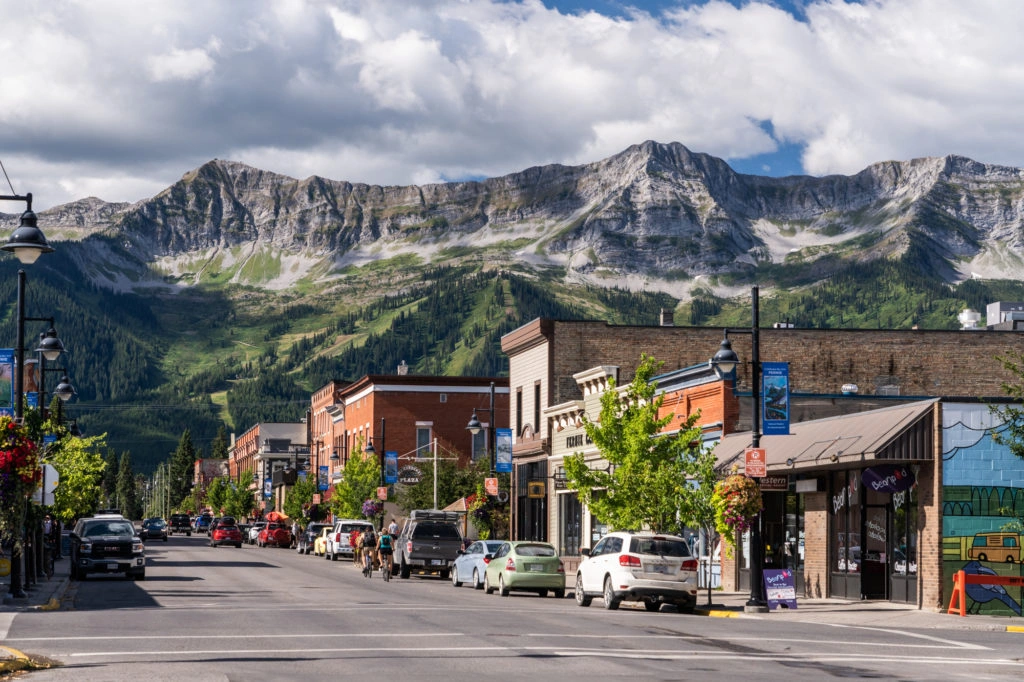
Fernie has long been a destination where visitors come to stay, explore and experience the community, while short term rentals provide another accommodation option for people visiting the area.

But for property owners operating short term rentals, a proposed change by the City of Fernie could mean a significant increase in annual licensing costs.

The City of Fernie is proposing changes to its short-term rental licensing fees, with the aim of making the licensing and enforcement programme more sustainable and ensuring that the costs associated with regulating short term rentals are reflected in the fees paid by operators.

For anyone involved in Fernie short-term rentals, whether as an owner, operator or someone looking for a place to stay, the proposed changes are worth understanding.

At BRnX, we believe that staying informed about changes affecting the destinations and rental markets our guests and owners care about is an important part of the travel experience. Here is what the proposed changes mean, based on the information released by the City of Fernie.

What Is Changing for Fernie Short Term Rentals?

The City of Fernie is proposing a significant increase to its annual business licence fees for short term rental operators.

Currently, the annual licence fee is a flat $100.

Under the proposed changes, the fee would increase depending on the type of short term rental.

There would be two proposed annual fees:

Condo and hotel style short term rentals

The proposed annual fee for condo and hotel style short term rentals would be $700 per year.

These include short term rental units located in specially zoned developments intended for short stays. The article specifically identifies units in Silver Rock and some units in Pinnacle Ridge as examples.

Primary residence short term rentals

For short term rentals that operate from an owner’s primary residence, the proposed annual fee would be $500 per year.

This category applies where all or part of a home occupied by the owner is used as a short term rental. The property must be the owner’s legal primary residence.

For owners of Fernie short term rentals, this distinction is important because the proposed licensing fee would depend on which category the property falls into.

Why Is Fernie Proposing Higher Short Term Rental Licensing Fees?

The proposed increase is part of a broader effort by the City of Fernie to improve the regulation of short term rentals.

According to the City, managing the licensing and compliance process requires a significant amount of staff time and resources.

This includes reviewing applications, carrying out site inspections, conducting compliance checks and responding to concerns raised by the public.

The current $100 annual fee has been in place since Fernie’s short term rental regulations were introduced in 2017.

However, according to the City, short term rental activity and the administrative demands associated with regulating it have grown since then.

As a result, the City says that the existing fee structure no longer reflects the true cost of administering and enforcing the programme.

The proposed short term rental licensing fees are therefore intended to shift more of that cost away from general taxpayers and towards the operators who directly benefit from using their properties as tourist accommodations.

What Does This Mean for Short Term Rental Operators?

For operators, the most obvious impact would be the increase in the annual cost of maintaining a short term rental licence.

An operator currently paying $100 per year could, under the proposed structure, pay either $500 or $700 annually depending on the type of property.

That represents a considerable increase from the current fee.

For a condo or hotel style short term rental, the proposed annual licence fee would be seven times the current $100 fee.

For a primary residence short term rental, it would be five times the current fee.

This means that anyone operating Fernie short term rentals would need to understand which category their property falls under and consider the proposed licensing cost as part of their overall operating expenses.

For property owners, keeping up with local regulations and understanding licensing requirements is increasingly important.

Which Types of Fernie Rental Properties Can Qualify?

The City of Fernie recognises two types of short term rental licences.

The first is the condo or hotel style short term rental. These are located in developments that are specially zoned for short term stays.

The second is the primary residence short term rental.

This applies to a portion or the entirety of a home where the owner lives full time. The property must legally be the owner’s primary residence.

This distinction is particularly important for owners considering Fernie rental properties as short term accommodation.

The proposed fee structure does not simply introduce one higher fee for everyone. Instead, it separates short term rentals into two categories based on the type and use of the property.

Understanding that difference can help owners better understand how the proposed changes could affect them.

What Properties Are Not Permitted for Short Term Rentals?

One important point remains unchanged under the proposed bylaw.

Short term rentals are not permitted in:

  • Carriage houses
  • Garage suites
  • Garden homes
  • Secondary suites

The proposed changes to the licensing fees do not alter this restriction.

This is important for anyone considering operating a short term rental in Fernie. The proposed fee changes are about the cost of licensing and regulating permitted short term rentals, not about expanding the types of properties that can be used for short term accommodation.

For owners considering Fernie short term rentals, understanding what is permitted is therefore just as important as understanding the proposed licensing fees.

Why Is This Important for Visitors?

At first glance, licensing fees may appear to be an issue that concerns property owners and operators rather than travellers.

However, changes to the short term rental environment can also matter to visitors.

Short term rentals form part of the accommodation options available to people visiting Fernie. A well regulated rental environment can help provide a clearer framework for owners, operators and the wider community.

For travellers searching for accommodation, knowing that properties are operating within the applicable local framework can also provide greater clarity when choosing where to stay.

This is one reason BRnX continues to pay attention to developments affecting the destinations and properties featured on its platform.

Whether you are planning a getaway or looking at opportunities as a property owner, understanding the local rental environment can help you make more informed decisions.

What Has Happened So Far?

The proposed changes are not presented as a sudden new policy.

Fernie’s short term rental regulations have been in place since 2017, while the annual $100 licensing fee has remained unchanged.

The City says that complaints about unlicensed rentals have increased and that the existing fee model no longer covers the actual costs associated with reviewing applications, inspecting properties, checking compliance and responding to public concerns.

The proposed changes had already received two readings by Council at the time of the Fernie.com article.

A third reading was scheduled for 8 July.

Because the article was published before that scheduled reading, the fee increases described here were proposed changes at the time of publication.

Anyone directly affected by the licensing changes should therefore refer to the latest information from the City of Fernie for the current status.

What Should Fernie Short Term Rental Owners Keep in Mind?

For existing and potential operators, the proposed changes highlight the importance of understanding the local requirements before operating a short term rental.

There are several key points to keep in mind.

Know which licence category applies

The proposed fee depends on whether the property is a condo or hotel style short term rental or a primary residence short term rental.

Understand the annual cost

The proposed fees would be $700 per year for condo and hotel style short term rentals and $500 per year for primary residence short term rentals.

Know what is not permitted

Carriage houses, garage suites, garden homes and secondary suites remain excluded from short term rental use under the proposed bylaw.

Keep up with local changes

The proposed changes demonstrate how local regulations can evolve as short term rental activity and the administrative requirements around it change.

For short term rental operators, keeping informed is an important part of managing a property responsibly.

What Does This Mean for BRnX?

BRnX connects guests with accommodation options across a range of destinations, helping travellers discover places that suit the way they want to travel.

For a destination such as Fernie, local developments affecting accommodation are important because the short term rental environment is part of the wider visitor experience.

The proposed changes are also a reminder that short term rentals do not operate independently from the communities where they are located.

Licensing, compliance and local regulations all form part of the environment in which owners provide accommodation and guests plan their stays.

At BRnX, we see value in keeping both sides of the marketplace informed.

For guests, that means having a better understanding of the accommodation landscape in the destinations they are considering.

For owners, it means being aware of the requirements that apply to their property and staying informed about changes that could affect their operations.

Fernie Short Term Rentals: What Comes Next?

The proposed licensing fee changes reflect the City’s stated aim of creating a more sustainable and fair approach to regulating short term rentals.

The City has explained that the existing $100 annual fee no longer reflects the resources required to administer and enforce the programme.

The proposed structure would place higher fees on the operators who benefit directly from using their properties as tourist accommodations.

At the same time, the City continues to distinguish between different types of short term rentals and maintains restrictions on certain property types.

For owners, the key takeaway is simple: understanding the local rules matters.

For travellers, the key takeaway is that the accommodation landscape can change as destinations respond to the growth and administration of short-term rentals.

And for BRnX, staying aware of these developments is part of helping create a more informed marketplace for both guests and owners.

Frequently Asked Questions

1. What are the proposed short term rental licensing fees in Fernie?

The City of Fernie proposed increasing the annual business licence fee from the current $100 to $700 for condo and hotel style short term rentals and $500 for primary residence short term rentals.

2. Why is Fernie increasing its short term rental licensing fees?

The City says the existing $100 fee no longer covers the true costs associated with administering and enforcing the short term rental programme. These costs include application reviews, site inspections, compliance checks and responding to public concerns.

3. When were Fernie’s short term rental regulations introduced?

Fernie’s short term rental regulations have been in place since 2017. According to the City, the $100 annual licensing fee had remained unchanged since then.

4. Which Fernie short term rentals would pay the $700 fee?

The proposed $700 annual fee would apply to condo and hotel style short term rentals located in specially zoned developments intended for short stays. Examples mentioned include Silver Rock and some units in Pinnacle Ridge.

5. Which properties would pay the proposed $500 fee?

The proposed $500 annual fee would apply to primary residence short term rentals. These are portions or the entirety of an owner occupied home, where the property is the owner’s legal primary residence.

6. Can a carriage house be used as a short term rental in Fernie?

No. The article states that short term rentals are not permitted in carriage houses, garage suites, garden homes or secondary suites. The proposed changes do not alter this restriction.

7. Does the proposed fee increase apply to every short term rental?

The proposed structure distinguishes between two types of licensed short term rentals, condo and hotel style short term rentals and primary residence short term rentals. The proposed annual fees would be $700 and $500 respectively.

8. Why does the City say the current fee is no longer enough?

The City says that short term rental activity and administrative demands have grown, while the $100 fee has remained unchanged. It also says that complaints about unlicensed rentals have increased and that the current fee does not cover the actual costs of administering and enforcing the programme.

9. When was the proposed change discussed by Council?

At the time of the Fernie.com article, the proposed changes had received two readings by Council, with a third reading scheduled for 8 July.

10. Where can people provide feedback about the proposed changes?

The Fernie.com article stated that residents could share their thoughts on the proposed changes by emailing the City of Fernie at cityhall@fernie.ca.

Planning a Fernie Getaway?

Fernie offers travellers a choice of accommodation experiences, and finding the right place can make all the difference to your stay.

Whether you are planning your next getaway or exploring accommodation options as a property owner, BRnX is here to help connect guests and owners through a marketplace designed around the way people travel and stay.

Discover Fernie accommodation options with BRnX and start planning your next escape.

#Fernie #FernieBC #FernieTravel #FernieShortTermRentals #ShortTermRentals #FernieAccommodation #FernieRentalProperties #TravelCanada #BritishColumbiaTravel #BRnXTravel

Original article: https://fernie.com/blog/city-of-fernie-proposes-increase-to-short-term-rental-licensing-fees/

Fernie Short Term Rentals Enter a New Chapter in 2026

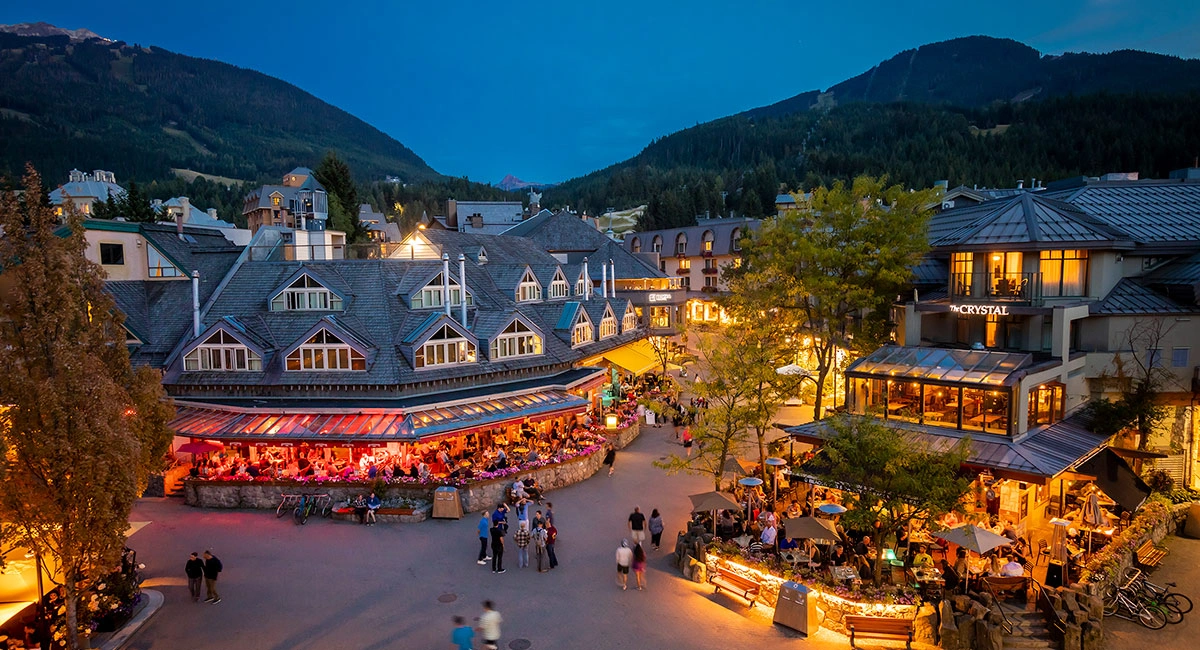
Something is changing in the way Fernie approaches short term rentals.

From 2026, short term rental operators in the city will no longer fall under the same licence fee structure as standard businesses. Following a review conducted earlier in the year, the City of Fernie has approved a new set of annual business licence fees, with separate fees now applying to different types of short term rentals.

On the surface, this may look like a simple change to licensing costs.

But there is more to the story.

The new structure reflects the City’s view that short term rentals require a different level of staff involvement and enforcement resources from standard businesses. It also recognises two different categories of short term rental licences, each with different levels of oversight.

For anyone following Fernie short term rentals, the change offers an interesting look at how the city is managing this part of its accommodation landscape as we move into 2026.

And for travellers and property owners alike, it is worth knowing what has changed.

A New Way of Looking at Short Term Rentals

Previously, short term rental operators in Fernie paid the same fees as standard businesses.

That is no longer the case.

The City has now introduced a separate fee structure for short term rentals, following a review designed to ensure that licence fees remain fair, competitive and reflective of costs.

The review also involved discussions with local businesses and short term rental operators.

The result is a clearer separation between a standard business licence and the two types of short term rental licences issued by Fernie.

For Fernie rental properties used as short term accommodation, that distinction is now particularly important.

The question is no longer simply whether a property requires a business licence. The type of short term rental licence also determines the annual cost.

The 2026 Numbers at a Glance

The City has approved three annual licence fees for 2026.

Standard Business Licence

The annual fee for a Standard Business Licence is $150.

Condo and Hotel Short Term Rentals

The annual fee for a condo or hotel short term rental is $700.

Primary Residence Short Term Rentals

The annual fee for a primary residence short term rental is $500.

The difference is significant.

A condo or hotel short term rental will have an annual licence fee more than four times that of a standard business, while a primary residence short term rental will have a fee more than three times higher.

For short term rental operators, this makes the type of licence an important part of the 2026 picture.

Why the City Is Making the Distinction

The City of Fernie’s explanation for the change centres on resources.

According to the City, its Short Term Rental programme requires significantly more staff time and enforcement resources than a standard business licence.

That difference is now reflected in the fees.

Fernie issues two types of STR licences, and the City says that each type has different impacts and different levels of oversight.

Rather than continuing with a single fee structure, the City has therefore chosen to differentiate between them.

It is a relatively straightforward idea, but one that changes the way Fernie short term rentals fit into the City’s licensing framework.

The new structure recognises that not every business licence involves the same level of administration and oversight.

Two Types of Short Term Rentals, Two Different Fees

One of the most important details in the new structure is that there is not one single STR fee.

Fernie has two types of short term rental licences.

The first covers condo and hotel short term rentals, which carry an annual fee of $700.

The second covers primary residence short term rentals, with an annual fee of $500.

That $200 difference reflects the City’s distinction between the two types of licences and their respective levels of oversight.

For owners of Fernie rental properties, knowing which category applies is therefore essential when looking at the annual licensing cost for 2026.

Condo and Hotel Short Term Rentals

For a condo or hotel short term rental, the new annual licence fee is $700.

This represents the higher of the two STR fees approved by the City.

Primary Residence Short Term Rentals

For a primary residence short term rental, the annual fee is $500.

The City treats this as a separate STR category, with its own licensing fee.

Both categories are now clearly separated from the $150 Standard Business Licence.

The Bigger Change Is Not Just the Price

It would be easy to look at the new short term rental licence fees and focus only on the dollar amounts.

But the more interesting development is the reasoning behind them.

The City has effectively acknowledged that short term rentals require a different approach from standard businesses.

The City says the STR programme requires more staff time and enforcement resources.

That means the new fee structure is not simply a general increase. It is a move towards fees that reflect the City’s assessment of the resources required to manage different types of businesses and accommodation.

For the local short term rental sector, that is an important distinction.

The change places Fernie short term rentals in their own licensing category rather than treating them as another form of standard business.

What This Means for Property Owners

For owners considering or already operating Fernie rental properties, the new structure creates a very clear financial consideration for 2026.

The annual licence fee will depend on the type of STR licence.

A condo or hotel short term rental will carry a $700 annual fee.

A primary residence short term rental will carry a $500 annual fee.

The Standard Business Licence, meanwhile, is $150.

The difference means that owners need to understand not only the fact that a licence is required, but also which category applies to their property.

For short term rental operators, this is now part of the basic information to consider when planning for the 2026 licensing year.

A Change Shaped by Local Conversations

Another interesting part of the City’s announcement is how the review was carried out.

The City says the process included discussions with local businesses and short term rental operators.

That means the updated fee structure comes after engagement with people directly involved in the local business and short term rental environment.

The review was focused on ensuring that Standard Business Licence and STR fees remain fair, competitive and reflective of costs.

That gives some context to the decision.

The new fees are not presented simply as a price increase. They are part of a review of how the City’s licensing fees correspond with the resources required to administer different types of licences.

What Does This Mean for Fernie in 2026?

The new structure creates a much clearer distinction between standard businesses and short term rentals.

Instead of one shared fee structure, there are now separate categories.

For 2026:

Licence TypeAnnual Fee
Standard Business Licence$150
Condo and Hotel Short Term Rental$700
Primary Residence Short Term Rental$500

For anyone tracking Fernie short term rentals, these three figures tell much of the story.

They show how the City is differentiating between businesses based on the type of licence and the resources associated with overseeing them.

The January Deadline Matters

There is another date that property owners and businesses need to know.

Business licences must be renewed by January 31, 2026.

For short term rental operators, that deadline sits at the beginning of the new licensing year and makes understanding the updated fee structure particularly relevant.

The new fees apply to 2026, meaning that owners entering the new year need to be aware of the licence category and associated annual cost applicable to their operation.

What Travellers Should Know

If you are visiting Fernie, you may not be thinking about business licences when choosing somewhere to stay.

And you do not necessarily need to.

But the environment surrounding short term accommodation can have an impact on the way destinations manage their rental markets.

The new licensing structure is part of that environment.

For travellers, it is another example of how destinations can introduce different approaches to short term accommodation as they consider the resources required to manage it.

At BRnX, we believe that good travel is about more than finding a place to sleep.

It is also about discovering destinations, understanding the places you visit and making informed choices about where you stay.

That is why developments affecting Fernie short term rentals are worth following, even when they are primarily focused on property owners and operators.

What the New Fees Mean for BRnX

For BRnX, changes like these are part of the wider picture surrounding the destinations where guests and owners connect.

Our marketplace brings together people looking for accommodation and property owners offering places to stay.

That means local developments affecting short term rental operators are relevant to the wider travel ecosystem.

The new Fernie structure does not change the purpose of BRnX.

It simply provides another piece of information for guests and owners to consider when looking at the local short term rental environment.

For property owners, understanding licensing costs is part of understanding the market.

For travellers, knowing that local rules and licensing structures exist provides useful context when choosing accommodation.

A More Defined Short Term Rental Landscape

Perhaps the most interesting takeaway from Fernie’s new fee structure is that short term rentals are becoming more clearly defined within the City’s business licensing system.

The previous model placed short term rental operators under the same fee structure as standard businesses.

The new approach recognises that the STR programme requires different levels of staff time and enforcement resources.

It also recognises that not all short term rentals are the same.

A condo or hotel short term rental has a different licence category from a primary residence short term rental, and the annual fees now reflect that distinction.

For Fernie rental properties, this creates a more defined framework heading into 2026.

What Should Owners Take Away From the Change?

There are a few simple points worth remembering.

First, Fernie has approved new licence fees for 2026.

Second, short term rentals now have their own fee structure rather than sharing the previous structure with standard businesses.

Third, there are two STR licence categories.

Fourth, the annual fee is $700 for condo and hotel short term rentals and $500 for primary residence short term rentals.

Finally, licences must be renewed by January 31, 2026.

For short term rental operators, these are the key details to carry into the new licensing year.

Frequently Asked Questions

1. What changed for Fernie short term rentals in 2026?

The City of Fernie introduced a separate annual licence fee structure for short term rentals. Previously, STR operators paid the same fees as standard businesses.

2. How much is a short term rental licence in Fernie?

The fee depends on the type of STR. A condo or hotel short term rental costs $700 annually, while a primary residence short term rental costs $500 annually.

3. What is the standard business licence fee in Fernie?

The Standard Business Licence fee for 2026 is $150 annually.

4. Why are short term rental fees higher than the standard business fee?

The City says its Short Term Rental programme requires significantly more staff time and enforcement resources. The updated fees are intended to reflect those costs.

5. How many types of STR licences does Fernie issue?

Fernie issues two types of short term rental licences, condo and hotel short term rentals, and primary residence short term rentals.

6. What is the fee for a condo or hotel short term rental?

The annual licence fee for a condo or hotel short term rental is $700 for 2026.

7. What is the fee for a primary residence short term rental?

The annual licence fee for a primary residence short term rental is $500 for 2026.

8. Were short term rental operators involved in the review?

Yes. According to the City, the review process included discussions with local businesses and short term rental operators.

9. When do Fernie’s new licence fees take effect?

The updated licence fees take effect in 2026.

10. When do business licences need to be renewed?

Business licences must be renewed by January 31, 2026.

11. Why did Fernie review its business licence fees?

The City says the review was intended to ensure that Standard Business Licence and Short Term Rental fees remain fair, competitive and reflective of costs.

Looking at Fernie Through a New Lens

A new year often brings new rules, new costs and new considerations.

For Fernie, 2026 brings a clearer distinction between standard business licences and short term rental licences, with different fees reflecting the City’s assessment of the resources required to oversee them.

For owners, the change means knowing which STR category applies and understanding the associated annual fee.

For travellers, it offers another glimpse into the way destinations manage their accommodation landscape.

And for BRnX, it is a reminder that travel does not exist in isolation. The places we visit are constantly evolving, and staying informed helps both guests and owners make better decisions.

Whether Fernie is your next destination or you are simply exploring what the city has to offer, BRnX makes it easier to discover accommodation options for your next stay.

Ready to explore Fernie? Discover your next stay with BRnX and start planning your next getaway.

#Fernie #FernieBC #FernieTravel #FernieShortTermRentals #ShortTermRentals #FernieAccommodation #FernieRentalProperties #BritishColumbiaTravel #CanadaTravel #TravelBC #BRnXTravel

Original article: https://wild1047.ca/2025/12/22/29170/

Whistler Short Term Rentals: What’s Changing Behind the Scenes

Whistler is one of those destinations where the line between a holiday and a home away from home can feel very natural.

For visitors, a stay might mean a few nights in the mountains, a longer getaway, or simply having a comfortable place to return to after a day outdoors. For property owners, however, offering that accommodation comes with responsibilities that go beyond putting a property online.

In Whistler, tourist accommodation has been subject to business licensing requirements since 2017. Now, British Columbia’s new short term rental legislation adds another layer to the way these properties are marketed and regulated.

For anyone involved in Whistler short term rentals, understanding how the provincial rules work alongside Whistler’s existing requirements is important.

The key point is that the provincial legislation does not replace Whistler’s existing system. Instead, it gives municipalities additional tools to regulate short term rentals and enforce their own requirements.

That distinction matters.

Because before a property can be marketed as tourist accommodation in Whistler, there are already local requirements that need to be met.

Whistler Has Had Tourist Accommodation Rules Since 2017

The first thing to understand is that the requirement for a business licence is not new.

Whistler has required Tourist Accommodation business licences since 2017.

The requirement applies to property owners who want to market, manage and provide paid accommodation to tourists. This includes vacation rentals and self managed tourist accommodation properties, whether or not they have Phase 1 covenants.

In other words, if a property is being offered as tourist accommodation, the owner needs the appropriate municipal business licence.

A property marketed as tourist accommodation without a business licence is considered an illegal nightly rental and can be subject to fines.

This is an important distinction for anyone exploring Whistler vacation rentals.

The provincial legislation did not suddenly create the municipal licensing requirement. Whistler already had its own system in place.

What the new provincial rules do is add further requirements around how licensed properties are identified and how short term rental platforms can respond when a property does not meet local requirements.

So, What Has Actually Changed?

The Province of British Columbia introduced the Short Term Rental Accommodations Act with the stated goal of helping municipalities regulate short term rentals and enforce their regulations.

The broader goal is to improve housing supply and affordability across British Columbia.

For Whistler short term rentals, one of the most important changes is what happens when a property is listed on a short term rental platform.

Hosts are required to display a valid municipal business licence number on their listing.

If a listing does not meet the local government’s business licence requirements, the local government can require the rental platform to remove the listing.

The Province is also creating a registry, and once that system is in place, rental platforms will need to validate listings using a provincial registration number.

So, the process is becoming more connected.

A property needs to meet Whistler’s local requirements, the licence needs to be reflected on the listing, and the provincial system adds another level of registration and validation.

The Property Comes First

For someone considering a Whistler vacation rental, there is an important question to answer before thinking about platforms, listings or guests.

Is the property actually allowed to be used for tourist accommodation?

In Whistler, zoning matters.

A property or unit must be zoned for tourist accommodation if it is going to be marketed, managed and provided as paid accommodation for tourists.

The zoning and covenants registered on the property’s title need to be checked to understand what is allowed.

The property’s zoning must specifically list either tourist accommodation or temporary accommodation as a permitted use.

If the property has residential zoning, it cannot be marketed to tourists for any length of time.

That makes zoning one of the first things a property owner should look at.

A beautiful property in a desirable destination does not automatically mean it can be used as a nightly rental.

A Business Licence Alone Is Not Enough

This is another important point.

Having a business licence does not mean that any property can automatically be offered as tourist accommodation.

The property must first be permitted for that use.

According to the Resort Municipality of Whistler, properties need to be zoned for tourist accommodation, and they also require a valid municipal business licence for tourist accommodation.

The zoning must allow either tourist accommodation or temporary accommodation.

Residentially zoned properties cannot be marketed as tourist accommodation.

For property owners, this means that licensing and zoning work together.

One does not replace the other.

What Happens If a Property Is Not Licensed?

This is where the new rules become particularly significant.

Whistler has already required business licences for tourist accommodation since 2017.

Under the new provincial legislation, the consequences of operating without the required licence become more serious.

The Act provides for municipal fines of up to $3,000 per day for short term rental properties operating without a licence.

Whistler is amending its bylaws to allow this fine to be applied. The page notes that the fine was previously $1,000.

The consequences can also extend to the listing itself.

If a short term rental listing does not display a valid business licence and does not meet the local requirements, the municipality can request that the platform remove the listing.

For short term rental rules in Whistler, this creates a much clearer connection between local licensing and the online marketplace where travellers find accommodation.

The Platform Is Now Part of the Process

For years, putting a property on a short term rental platform could feel like a straightforward transaction.

Create a listing, add photographs, describe the property and wait for guests.

The new rules add another step.

Hosts must display a valid municipal business licence number on their listings on short term rental accommodation platforms.

If the listing does not include a valid business licence, the platform must remove it at the municipality’s request.

That means the licence is no longer simply something held by the property owner in the background.

It becomes part of the public listing itself.

For guests browsing Whistler vacation rentals, this creates a clearer connection between the property they see online and the municipal requirements that apply to it.

What About the Provincial Principal Residence Requirement?

There is an important detail that is specific to Whistler.

The provincial principal residence requirement does not apply to Whistler.

That requirement would otherwise limit short term rentals to a host’s principal residence and one secondary suite or accessory dwelling unit on the same property.

According to the Resort Municipality of Whistler, that restriction does not apply in Whistler.

Instead, short term rentals, referred to locally as tourist accommodation, are regulated through zoning, covenants and enforcement.

This is an important point for anyone researching Whistler short term rentals, because it means the local framework is particularly important when determining what is permitted.

The answer is not simply based on the provincial principal residence rule.

The property’s zoning and applicable covenants remain central.

Buying a Property? Look Beyond the Property Itself

The Whistler guidance also raises an important point for anyone purchasing a property with the intention of offering tourist accommodation.

Before buying, it is important to research the property’s history.

That includes looking at building records, zoning regulations and any liens or easements that could affect ownership.

The municipality also provides an online service for accessing property records, although owner authorisation is required.

And if the intention is to provide tourist accommodation, the owner needs to make sure that this is a permitted use for the property.

This is particularly relevant when considering Whistler vacation rentals as a property use.

The fact that a property was previously used in a particular way does not remove the need to understand its current records, zoning and requirements.

Open Building Permits Can Stop the Process

There is another issue that can become important when applying for a tourist accommodation business licence.

Whistler checks the property file for outstanding building permit files when a business licence application is submitted.

The municipality does not process business licence applications for properties with open or incomplete building permit files.

If an open permit exists, the owner needs to work with the Building Department to resolve the outstanding issues and close the permit before the tourist accommodation business licence can be issued.

This can be an unexpected issue for a property owner who believes everything is in order.

The responsibility for building and plumbing permits stays with the property, rather than transferring away when ownership changes.

The municipality therefore places responsibility on property owners to make sure their property complies with local and provincial requirements.

What Happens If There Is an Open Permit?

If a tourist accommodation business licence application reveals an open building permit, Bylaw Services refers the file to the Building Department.

The Building Department then reviews the file and identifies any outstanding issues.

The owner must resolve the deficiencies.

After that, the file receives a final review and the municipality issues a file completion letter or occupancy certificate.

Only after the building permit has been completed and closed can Bylaw Services process the tourist accommodation business licence application.

There are also processing fees.

The municipality states that these are charged at $73.09 per hour, with a two hour minimum, and estimates that most files take between two and eight hours to process.

For property owners, this is another reason why checking a property’s records before purchasing can be valuable.

What If a Building Permit Has Expired?

A building permit expires if there has been no work or inspection activity for 12 months.

If a permit has expired, the Building Department can reopen it, subject to a fee.

The owner can then follow the process for resolving any deficiencies and closing the permit.

Again, this may not be something that is immediately obvious when looking at a property from the outside.

It is part of the behind the scenes information that can become important when a property is intended for tourist accommodation.

What Does This Mean for BRnX?

At BRnX, we look at accommodation from the perspective of both sides of the travel experience.

Guests want to find a place that fits their plans.

Property owners want to make their accommodation available to travellers.

But behind every successful stay is a framework that determines how properties can be marketed and operated.

Whistler is a good example.

The municipality has had tourist accommodation licensing requirements since 2017, and the new provincial legislation adds additional tools for enforcement and listing validation.

For BRnX, understanding these developments is part of understanding the destinations where our guests and owners connect.

It also highlights something important about today’s travel marketplace.

A property listing is more than a collection of photographs and a booking option.

The property needs to be suitable for the intended use, meet the applicable local requirements and, where required, display the relevant licence information.

What Should Property Owners Check?

If you own a property in Whistler and are considering tourist accommodation, the municipality’s guidance points to several things worth checking.

Check the zoning

The property must permit tourist accommodation or temporary accommodation.

Check the covenants

Registered covenants can affect what is allowed on the property.

Check the property records

Building records and other property information should be reviewed, particularly before purchasing a property.

Check for open permits

Outstanding or incomplete building permits can prevent a tourist accommodation business licence from being processed.

Check the business licence requirement

A valid municipal tourist accommodation business licence is required.

Check the listing requirements

A valid municipal business licence number must be displayed on the short term rental platform listing.

For anyone entering the Whistler short term rentals market, these checks provide a useful starting point.

What Does This Mean for Guests?

For travellers, the changes are less about paperwork and more about transparency.

When looking for accommodation, guests are increasingly interacting with a marketplace where local licensing requirements are connected to the listing itself.

In Whistler, the municipal business licence number is required on the listing, and platforms can be required to remove listings that do not meet the municipality’s requirements.

For a guest searching for Whistler vacation rentals, this creates an important link between the accommodation advertised online and the local framework governing tourist accommodation.

At BRnX, we believe that travellers should be able to focus on the exciting part, choosing where to stay and planning the experience ahead.

But understanding the environment behind the accommodation can make that choice more informed.

Frequently Asked Questions

1. Does Whistler require a business licence for short term rentals?

Yes. Whistler has required Tourist Accommodation business licences since 2017 for property owners who market, manage and provide paid accommodation to tourists.

2. What are the new short term rental rules in Whistler?

The new provincial rules require short term rental hosts to display a valid municipal business licence number on their listings. The legislation also gives municipalities additional enforcement tools and provides for a provincial registry.

3. Can any property in Whistler be used as a vacation rental?

No. The property must be zoned for tourist accommodation or temporary accommodation. Properties with residential zoning cannot be marketed as tourist accommodation.

4. Does Whistler follow the provincial principal residence requirement?

No. The provincial principal residence requirement does not apply to Whistler. Tourist accommodation in Whistler is regulated through zoning, covenants and enforcement.

5. What happens if a Whistler short term rental does not have a business licence?

Operating tourist accommodation without a required business licence is considered an illegal rental. Under the new provincial rules, the municipality can fine up to $3,000 per day.

6. Can a rental platform remove a Whistler property listing?

Yes. If a listing does not include a valid business licence and does not meet the local requirements, the short term rental platform must remove the listing at the Resort Municipality of Whistler’s request.

7. What does a property need to be zoned for to operate tourist accommodation?

The zoning must list either tourist accommodation or temporary accommodation as a permitted use.

8. Can a residentially zoned property be rented to tourists?

No. According to the Whistler guidance, properties with residential zoning cannot be marketed as available to tourists for any length of time.

9. Can an open building permit prevent a tourist accommodation licence?

Yes. The municipality does not process business licence applications for properties with open or incomplete building permit files. The permit must first be resolved and closed.

10. What should I check before buying a property for tourist accommodation?

The Whistler guidance recommends researching the property’s history, including building records, zoning regulations, liens and easements. Buyers should also confirm that tourist accommodation is a permitted use for the property.

11. When did Whistler first introduce tourist accommodation licensing?

Whistler has required business licences for tourist accommodation since 2017.

12. Do the new provincial rules change the status of an already compliant Whistler property?

If the property is zoned for tourist accommodation and has a business licence, the municipality states that its rental status will not change. The property will, however, need to include its business licence number on applicable short term rental platform listings.

Whistler Short Term Rentals Are Entering a More Connected Marketplace

The biggest change is not simply another rule for property owners to remember.

It is the way different parts of the short term rental system are now connected.

Zoning determines whether tourist accommodation is permitted.

Municipal licensing determines whether the property can legally operate as tourist accommodation.

The provincial rules require the municipal licence number to appear on the online listing.

And rental platforms can be required to remove listings that do not meet the local requirements.

For Whistler short term rentals, these pieces now work together more closely than before.

For property owners, that means understanding the property before marketing it.

For travellers, it means the accommodation marketplace is becoming more closely linked to the rules of the destination.

And for BRnX, it reinforces the importance of keeping up with the places where guests and property owners meet.

Whistler remains a destination where people come to stay, explore and experience the mountains. As the rules surrounding tourist accommodation evolve, being informed is simply another part of making the most of that experience.

Planning a Whistler getaway? Explore BRnX and discover accommodation options for your next stay.

#Whistler #WhistlerBC #WhistlerTravel #WhistlerShortTermRentals #WhistlerVacationRentals #TouristAccommodation #ShortTermRentals #WhistlerAccommodation #BritishColumbiaTravel #CanadaTravel #BRnXTravel Original article: https://www.whistler.ca/business-development/land-use-and-development/provincial-legislation/how-b-c-s-new-short-term-rental-rules-affect-whistler/

Save your favourites, leave reviews and list your property. Get access to specials and so much more when you sign up.

Sign Up

By signing up you can save your favourites, leave reviews and list your property. Get access to specials and so much more.